Ripple effects from war and foot-and-mouth disease hit crucial industry
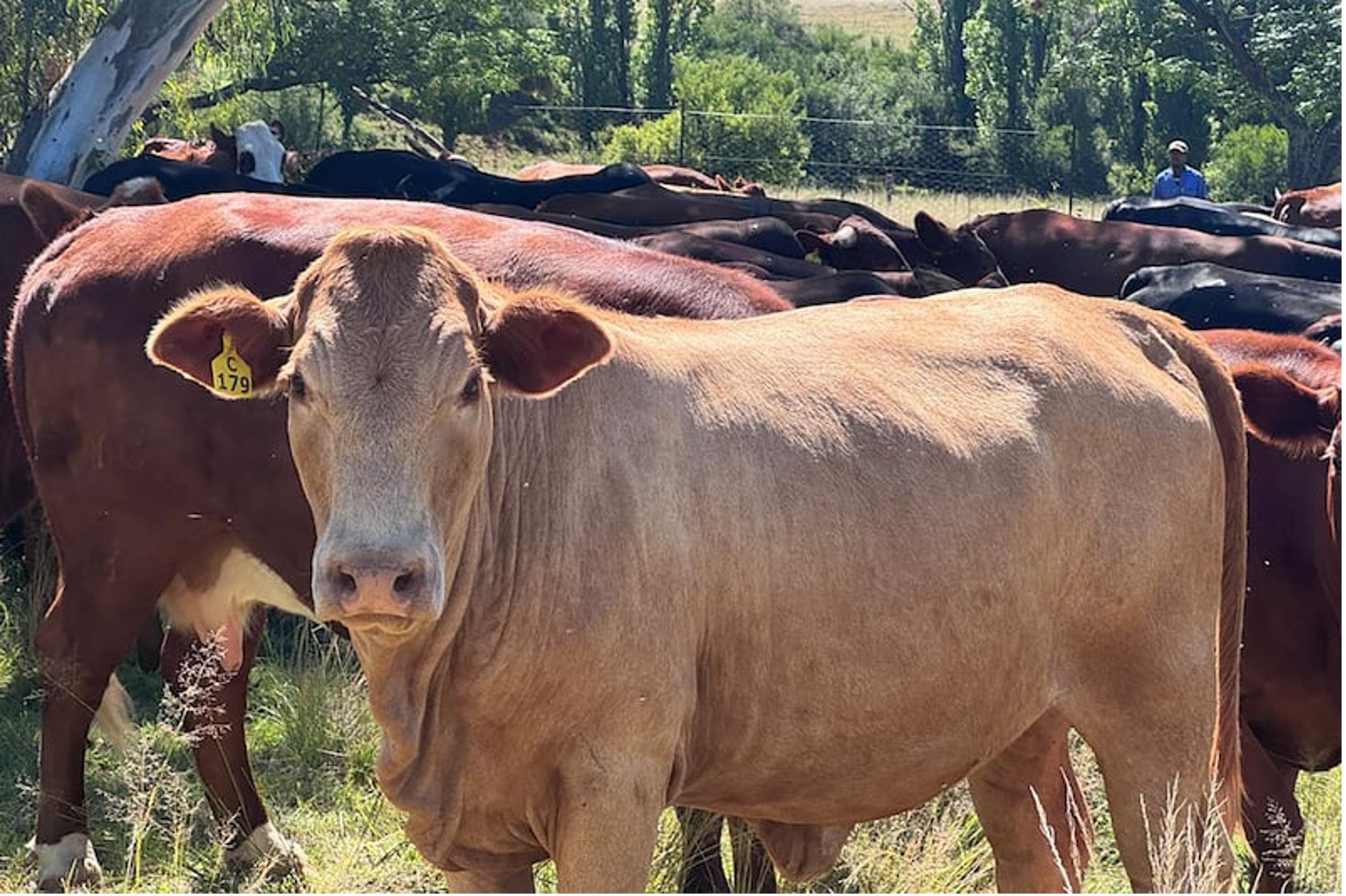
Three farms in the Walter Sisulu district were visited recently to implement foot-and-mouth disease vaccination as part of the ongoing efforts to control and prevent the spread of the disease in affected and surrounding areas.
South African agriculture has long been one of our most promising economic growth drivers. Few industries offer the same combination of entrepreneurship, export potential, and job creation in rural and peri-urban communities.
From farmers and transporters to equipment suppliers and retailers, an entire ecosystem of businesses depends on a functioning agricultural sector, but recent events have exposed its fragility.
War in the Middle East has pushed the cost of Brent crude oil above the $100 (R1,693) a barrel mark. The knock-on effects renew concerns about inflation and are felt almost immediately in South Africa. As well as importing most of our fuel, we also get about 80% of our annual fertiliser needs from international suppliers.
The sector is currently entering one of its most input-intensive periods, with winter crop planting already under way and citrus and summer grain harvesting approaching. These cycles rely heavily on fuel and fertiliser, and continued global uncertainty is likely to double production costs, which will be passed on to the consumer.
Economists have long warned that sustained increases in oil prices feed into global inflation, particularly in food production, where transport makes up a significant portion of the input bill. Yet this is just one challenge facing the sector.
The country’s livestock industry has been grappling with a widespread outbreak of foot-and-mouth disease for some time now. Movement restrictions, trade limitations and containment measures have placed enormous strain on farmers and rural economies, and industry suppliers are already warning about the scale of the problem.
Young entrepreneurs, frequently drawn into agriculture as a pathway to business in rural areas with few alternatives, are often the first to feel the effects when value chains falter
Timothy Isabirye of Husqvarna South Africa noted that farmers are facing “one of the toughest challenges in recent history” as the outbreak spreads across provinces, forcing producers to tighten biosecurity measures and rethink daily farm operations.
At the same time, the outbreak has reignited debate around livestock movement and export practices, with advocacy organisation Stop Live Export South Africa arguing that long-distance transport of animals during an outbreak increases the risk of further disease transmission.
In a bid to curtail the spread, Sakeliga and Free State Agriculture recently sent a letter to the agriculture ministry demanding farmers be allowed to procure and administer vaccines privately.
All of this highlights how agriculture rarely absorbs shocks in isolation, a reality policymakers and investors often overlook. For the thousands of small businesses operating in the agricultural ecosystem, the consequences are dire. Transport operators are forced to skip certain routes, butchers face supply uncertainty, and seed suppliers, veterinary service providers and equipment companies see demand shift unexpectedly.
The effects ripple through an entire value chain of businesses that rely on stable production, reliable logistics and predictable market access.
What it shows us is that agriculture is not simply about farming. Instead, it is a complex economic system that depends on reliable logistics networks, stable processing capacity, export markets and strong biosecurity management. When one part of that system weakens, the consequences spread quickly through multiple layers, hitting the end consumer hard.
Research from Youth Capital highlights another dimension of this fragility. Young entrepreneurs, frequently drawn into agriculture as a pathway to business in rural areas with few alternatives, are often the first to feel the effects when value chains falter.
They typically have less access to finance, weaker networks in established supply chains and fewer financial reserves to absorb sudden disruptions. When processors collapse, exports stall or disease outbreaks restrict trade, the ripple effects can quickly squeeze smaller producers and entrepreneurs out of the market.
Lowering the barriers to entry means looking beyond land and skills, ensuring that the entire agricultural ecosystem is strong enough to nurture new businesses. Yet, none of this diminishes the sector’s long-term potential. If anything, the current pressures underline just how important agriculture remains to South Africa’s economic future.
The entire value chain, incorporating agro-processing and related services, contributes more than 14% of GDP and posted 17.4% year-on-year GDP growth in 2025, a significant rebound driven by bumper harvests and record exports.
The country’s food system supports thousands of businesses beyond the farm gate and remains one of the few sectors capable of creating significant economic participation outside major metropolitan centres.
If agriculture is to remain a driver of inclusive growth, its supporting systems must be stronger. Biosecurity needs upgrading, value chains must be tougher, and emerging producers need better access to finance and reliable markets.
Now more than ever, South Africa needs stability and co-ordination not just to protect farmers but to safeguard the thousands of small businesses that rely on them.
• Mtwentwe is MD of Vantage Advisory and host of the SAICABIZ Impact podcast