We’ve balanced our books, but growth is lagging
For South Africa’s small and medium enterprises (SMEs), the subtext of the MTBPS is opportunity. Predictability allows entrepreneurs to plan beyond the next invoice. (Kabelo Mokoena)
This week’s medium-term budget policy statement (MTBPS) was refreshingly steady, methodical and carefully measured.
Granted, it wasn’t the kind of speech that sparks applause, but it did achieve something far more important. It restored a sense of calm and credibility.
For entrepreneurs, it also brought a rare moment of reassurance. Finally, the numbers are pointing in the right direction.
South Africa’s fiscal position looks healthier than it has in more than a decade. The deficit has narrowed to 4.4% of GDP, debt is expected to stabilise at 77% of GDP, and the country has achieved its first primary surplus (when revenue exceeds non-interest expenditure) since 2008.
Sars too has turned an impressive corner, collecting R924.7bn by September, R78.6bn more than last year, with nearly half of that improvement driven by stronger compliance and targeted debt recovery of R47bn.
The country’s improved fiscal position also benefited from stronger-than-expected tax receipts and disciplined spending. These gains create room to avoid new taxes at a time when businesses are least able to absorb them.
Sars’ turnaround offers a valuable lesson … Consistency, integrity and digital investment do pay off
These are not small victories. They give credibility to a National Treasury long accused of drifting nowhere and show that the public purse is again being managed with discipline. However, while stability is essential, it is the foundation rather than the destination. Fiscal control alone does not create jobs, but economic confidence does.
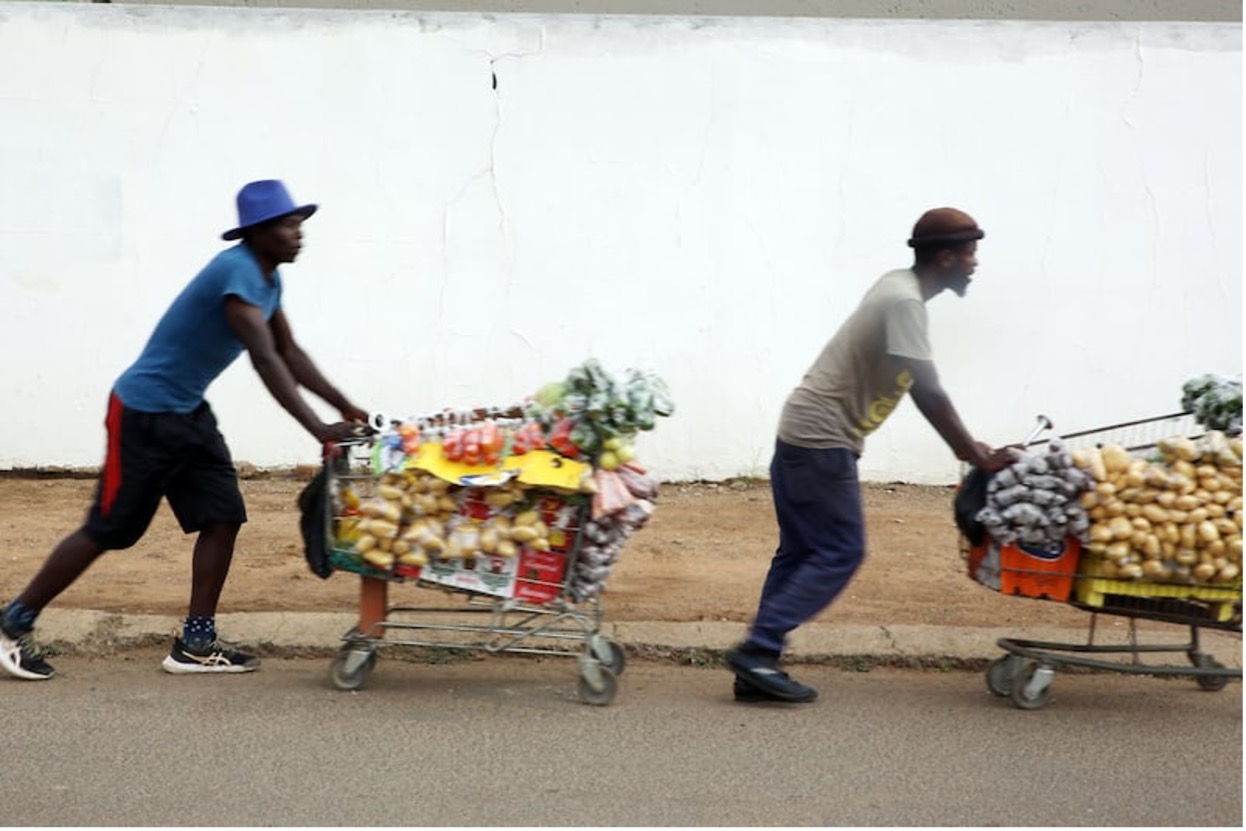
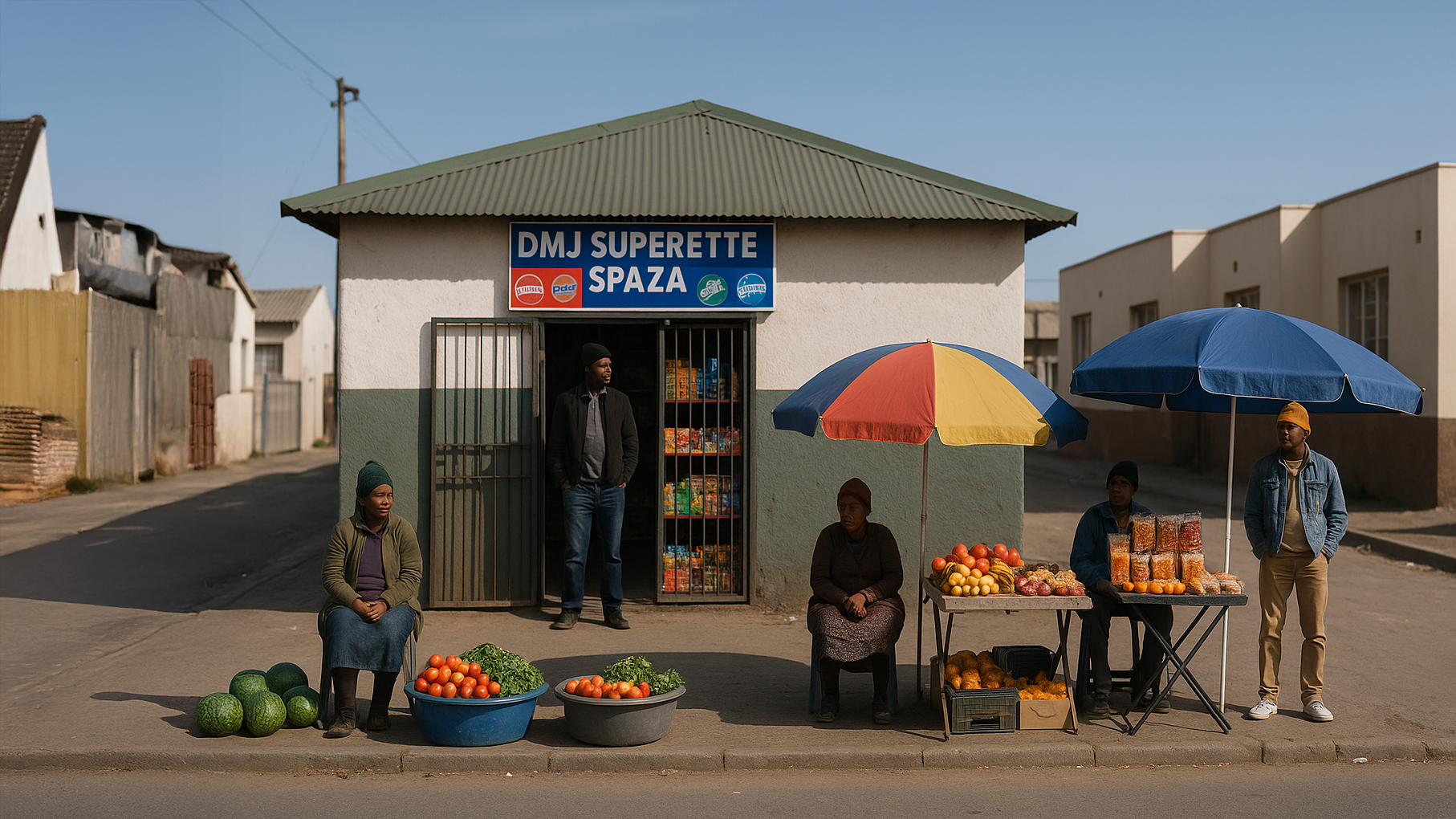
For South Africa’s small and medium enterprises (SMEs), the subtext of the MTBPS is opportunity. Predictability allows entrepreneurs to plan beyond the next invoice. Godongwana’s assurance that no new taxes are on the horizon gives breathing room at a time when energy, logistics, and input costs have been relentlessly high.
The planned reforms to public-private partnership rules, expected by 2026, could also be transformative, creating a more transparent and accessible pipeline of infrastructure projects that smaller service providers can participate in.
Sars’ turnaround offers a valuable lesson, though. Consistency, integrity and digital investment do pay off. Collections from PAYE (up 9%) and VAT (up 7.8%) point to better systems and smarter administration. If other state entities mirrored this efficiency, particularly by paying suppliers on time, the ripple effect on SMEs would be enormous.
However, there is a caveat. Sars’ tougher compliance stance, while boosting revenue in the short term, may also be putting pressure on struggling small firms. Sustaining these gains will require a balanced approach that supports compliance without overwhelming legitimate businesses.
One important development following the speech was parliament’s renewed commitment to limiting bailouts for failing state-owned entities. For SMEs, this signals hope that more public resources can be directed toward infrastructure upgrades, enterprise development, and faster supplier payments rather than absorption by repeated rescue packages.
The MTBPS revised South Africa’s growth outlook to 1.2% for 2025. This is modest but realistic, given the ongoing energy and logistics constraints. Treasury remains hopeful that structural reforms in ports, freight, and power generation could lift growth closer to 2% within three years.
For entrepreneurs, that is a signal to prepare now for recovery. Those who invest early in digital tools, green technologies, and supply-chain partnerships will be best positioned when confidence returns.
The renewed focus on infrastructure, supported by forthcoming bonds, presents another opportunity, provided these projects include stronger localisation requirements to stimulate domestic industries such as steel, construction, and manufacturing.
Progress on paper must translate into impact on the ground. The long-awaited micro-enterprise tax simplification framework is still pending, and the R1.2bn SME and youth support fund announced earlier this year has yet to be fully detailed. Meanwhile, government could unlock growth simply by paying its bills. Prompt payment to suppliers costs nothing, yet restores trust instantly.
Ultimately fiscal reform should be seen as an entrepreneurial issue. Every rand recovered through better compliance represents a potential road, contract, or power line. Conversely, every rand trapped in red tape or unpaid invoices represents growth deferred.
Entrepreneurs understand that accountability breeds confidence. It is time the state mirrored that discipline. The 2025 MTBPS will not be remembered for audacious policy fireworks, but it marks a reset and is proof that financial credibility has returned to South Africa’s fiscal vocabulary.
If the Treasury can sustain this momentum and ensure that its prudence filters down to the workshops, factories, and start-ups that drive employment, this could be remembered as the beginning of a rebuild rather than merely the balancing of our books.
• Mtwentwe AGA(SA) is MD of Vantage Advisory and host of the SAICABIZ Impact Podcast.