Business Leadership SA’s Busi Mavuso reminds us that reforms may set the stage, but gross fixed capital formation, which is the engine of job creation, remains far too low, says the writer.
After a year of economic whiplash, wrangling with the US and political déjà vu, we are all wondering where investor confidence stands and what South African businesses should do next.
The short answer is that sentiment is warming wherever we see reform with follow-through. The longer answer is that South Africa’s conversion problem risks hindering everything.
Confidence only turns into capital when we prove, consistently, that we can deliver on power, logistics and policy certainty.
Eskom’s endorsement of the new Integrated Resource Plan (IRP) as a “practical roadmap” is a positive signal. The plan outlines R2.2-trillion in investment opportunities over 15 years, much of it open to the private sector, including 11,270 MW of solar, 7,340 MW of wind and a 6,000 MW gas-to-power programme.
With load-shedding now largely behind us, Eskom insists that South Africa finally has the foundation for a credible investment story, but it hinges on one key thing: consistency.
Encouragingly, the Energy Council of South Africa reports a steady uptick in business confidence linked to progress on energy reform and infrastructure delivery. The Reserve Bank’s latest bulletin shows corporate cash reserves at a record R1.83-trillion, proof that liquidity exists. The problem is that it is sitting on the bench, waiting for credible execution.
Elsewhere, the global gold rally has lifted South African mining counters, with some stocks tripling this year and the all-share index up more than 30% year-to-date. Markets are cheering, but sentiment is not the same as investment.
Early moves on port and rail reform are encouraging, but true growth comes when firms feel confident enough to expand capacity and commit to long-term contracts
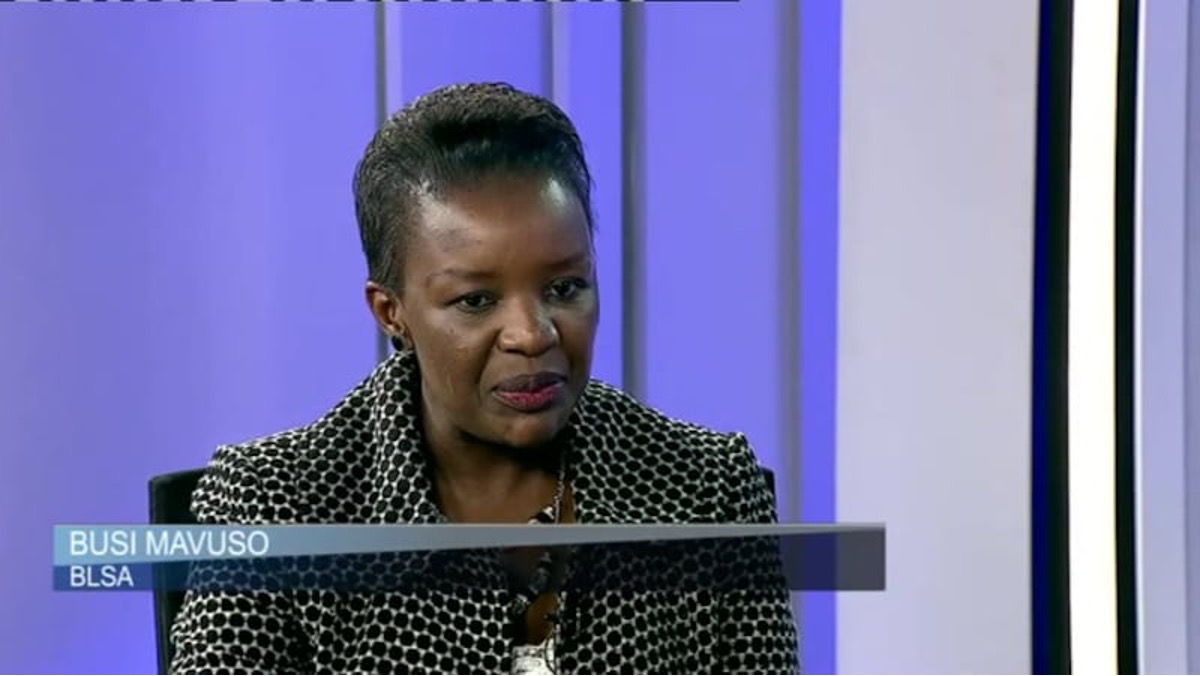
As Busi Mavuso of Business Leadership South Africa reminds us, reforms may set the stage, but gross fixed capital formation, which is the engine of job creation, remains far too low. Early moves on port and rail reform are encouraging, but true growth comes when firms feel confident enough to expand capacity and commit to long-term contracts.
The recent IRP approval and private participation on 41 Transnet rail routes are critical steps, but the next test is delivery.
On the macro front, better-than-expected data, firmer commodity prices and a steadier rand are helping, with some economists cautiously predicting the end of the sub-1% growth era. Business and consumer confidence are, for once, moving upward together.
Still, progress remains fragile. Private-sector participation in power and logistics must keep deepening for this optimism to translate into sustained growth.
Then there is the grey list. Markets have already priced in South Africa’s likely exit, but its complete removal matters. It may not spark fireworks, but it lowers risk perceptions, smooths cross-border capital flows and trims transaction costs. The IMF estimates that greylisting slashes capital inflows by roughly 7.5% of GDP, a high price for inconsistency.
With policy clarity improving, now is the time for entrepreneurs to lock in their energy edge. Businesses should be securing power purchase agreements, investing in energy efficiency and capitalising on the absence of load-shedding. The IRP’s promise will only materialise if companies come forward with shovel-ready projects and credible agreements that prove public-private collaboration can work in practice, not just on paper.
At the same time, businesses should be getting export-ready. As rail and port reforms take root, reliable exporters will gain a huge advantage. Manufacturers and agri-processors that can guarantee both timetables and quality will capture new market share. Confidence multiplies when logistics costs fall enough to make previously marginal export niches viable.
Equally important is measuring and communicating progress. Sentiment often turns faster than capital expenditure, and that is perfectly normal. Investors, lenders and shareholders all move on evidence. Tracking and reporting reliability, delivery performance and emissions data help build a record of trust that compounds over time.
Businesses do not fear risk. They fear randomness. That is why the government’s job is to keep policy boring, publish clear timelines, protect tenders, enforce compliance and avoid midstream policy pivots.
Investor confidence is a scoreboard, and South Africa has finally started putting points on it. The fundamentals are improving, the partnerships are stronger and the momentum is real. The risk now is complacency.
If we can keep driving reforms with the same discipline as the Springboks in a World Cup final, that R1.83-trillion will not stay on the sidelines for long.
Mtwentwe is MD of Vantage Advisory and host of the SAICABIZ Impact podcast